Your first solo trip is rarely just about travel. It’s often a personal milestone. For many people, travelling alone represents freedom, independence, confidence, and the chance to experience a destination on their own terms. At the same time, it’s completely normal to feel nervous before your first solo journey. Questions around safety, loneliness, planning, and confidence can easily make the whole idea feel bigger than it needs to be.
The truth is that solo travel becomes much easier once you break it down into clear, practical steps. When you choose the right destination, prepare properly, and give yourself a structure to follow, travelling alone becomes far less intimidating and far more exciting. This guide walks you through exactly how to plan your first solo trip so you can feel prepared, comfortable, and genuinely excited about the experience ahead.
Step 1
Choose a destination that fits your comfort level
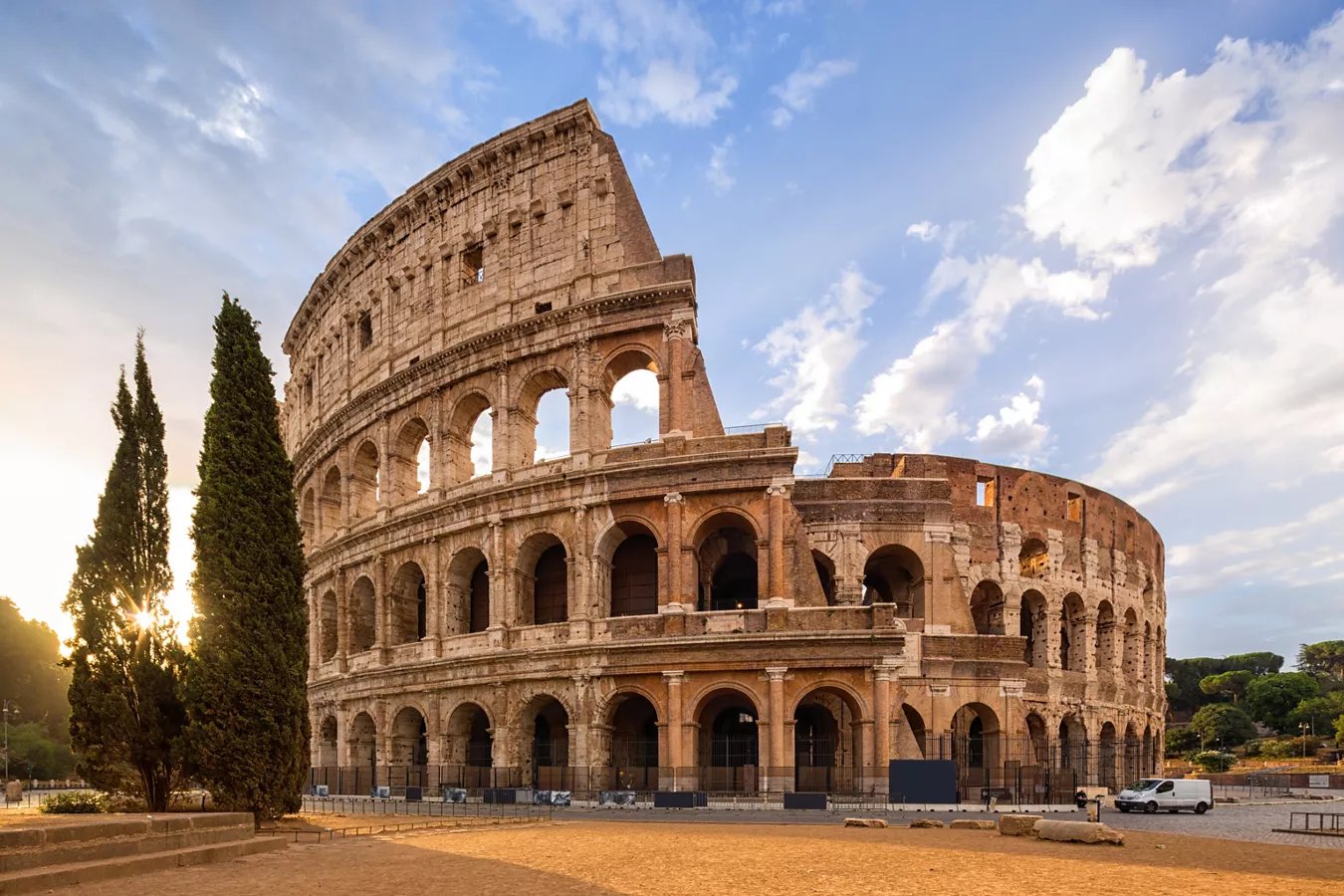
One of the biggest mistakes first-time solo travellers make is choosing a destination based purely on what looks impressive online rather than what actually suits them. Your first solo trip should not feel like a test. It should feel like an experience that builds confidence. That means choosing somewhere that feels manageable, accessible, and aligned with the kind of trip you actually want.
If you love structure, cities with reliable public transport and a strong tourism infrastructure are a great place to begin. If you want relaxation, a resort destination or island stay may feel easier than a fast-paced itinerary across multiple places. Some of the best first solo destinations tend to be places where tourism is well-developed, accommodation is easy to navigate, and moving around does not feel overwhelming. Think about language, local transport, cost, safety, and whether the atmosphere feels calm or intense. Your destination should support your confidence, not drain it.
Step 2
Be honest about the kind of solo trip you want
Solo travel is not one single thing. Some people imagine solo travel as endless adventure and social interaction, while others want peace, beautiful surroundings, and time alone. Before you start booking, decide what you actually want your experience to feel like. Do you want a reset? A luxury escape? A city break? A cultural itinerary? A wellness trip? A food-focused trip? The more honest you are at this stage, the easier every other decision becomes.
If you secretly want a calm, premium, slower-paced trip, there is no need to force yourself into backpacker-style travel just because that’s what many people associate with solo travel. Likewise, if you love meeting people, activities and group energy, you can build that into your trip too. Your solo journey should reflect your own style rather than an internet idea of what travelling alone is supposed to look like.
Ask yourself:
- Do I want relaxation or adventure?
- Do I prefer cities, beaches, nature, or culture?
- Do I want luxury and calm, or activity and movement?
- Do I want time alone, or opportunities to meet people too?
Step 3
Book your flights and accommodation with clarity
Once your destination is chosen, the next step is making the logistics feel secure and straightforward. For a first solo trip, simplicity is your friend. Avoid overly complicated routes, risky layovers, or arriving somewhere very late at night if you can help it. Flights that land at a reasonable hour and accommodation that is easy to reach will immediately reduce stress.
When choosing where to stay, location matters even more when travelling alone. A beautiful hotel is not enough if it leaves you feeling isolated or constantly dependent on long taxi rides. Look for accommodation in safe, well-reviewed areas with good access to restaurants, transport, or the parts of the destination you most want to explore. Boutique hotels, trusted guesthouses, and serviced apartments can all work well, depending on your travel style. Read reviews carefully and pay attention to comments about staff, safety, cleanliness, and convenience.
Step 4
Create a loose itinerary, not a rigid schedule
Planning ahead is important, but overplanning can create unnecessary pressure. The best solo trips usually have structure without feeling rigid. Start by identifying the key things you definitely want to do, see, or experience. These are your anchor points. Then leave the rest of the day or trip flexible enough to breathe.
A loose itinerary is especially useful for solo travel because it gives you both confidence and freedom. You know where you’re heading and what your priorities are, but you still have space to slow down, change plans, or follow unexpected opportunities. This balance makes the trip feel far more natural and enjoyable.
“The goal of a first solo trip is not to do everything. It is to enjoy the experience enough that you want to do it again.”
Step 5
Pack in a way that makes you feel prepared, not burdened
Packing for a solo trip is often where nerves start to show up. Many first-time solo travellers overpack because they worry about needing everything “just in case.” In reality, carrying too much can make the journey feel more stressful, especially if you are moving between airports, train stations, taxis, or hotels on your own.
Focus on practicality first. Pack items that make you feel comfortable, confident, and organised. Keep essentials accessible in your hand luggage, including documents, chargers, medication, toiletries, and anything you would need if your checked baggage were delayed. Think in outfits and moments rather than random pieces. The goal is to feel ready, not weighed down.
Solo trip essentials
- Passport and copies of travel documents
- Portable charger and plug adapter
- Crossbody bag or secure day bag
- Comfortable shoes you can actually walk in
- Travel insurance details saved offline
Step 6
Prepare for small nerves — they are completely normal
It is very common to feel a wave of doubt before a first solo trip, even if you were excited during the planning stage. Many travellers experience nerves just before departure or on the first day. This does not mean you made the wrong decision. It simply means you are doing something new.
Often, confidence comes after the first few key moments: checking into your hotel alone, navigating a new street, ordering food, or completing your first full day. Once those early experiences happen, the trip starts to feel much more natural. Try not to judge the whole experience by your nerves at the beginning. Give yourself time to settle in.
Step 7
Put simple safety habits in place
Solo travel safety does not have to feel dramatic or fearful. In most cases, it comes down to small, sensible habits that help you stay aware and prepared. Share your flight and accommodation details with someone you trust, keep your phone charged, avoid flashing valuables unnecessarily, and trust your instincts if something feels off.
Research the areas you are staying in, know how you’ll get from the airport to your hotel, and understand the basics of local transport before arriving. If you are heading out at night, plan your return route rather than figuring it out when you are already tired. These are simple habits, but they make a big difference in helping you feel secure and relaxed.
Step 8
Build in moments that feel enjoyable just for you
One of the best parts of solo travel is that the trip can revolve entirely around your preferences. You can eat when you want, linger where you want, book the experiences you genuinely care about, and move at your own pace. This is where solo travel becomes deeply rewarding.
Instead of only thinking about major sights, think about what small moments would make the trip feel good to you. A beautiful breakfast spot, a sunset viewpoint, a relaxing spa afternoon, a book by the pool, or a walking route through a neighbourhood you’ve always wanted to see can be just as meaningful as any iconic attraction.
Step 9
Accept that solo travel can feel both empowering and emotional
Many people talk about solo travel as if it is only empowering, exciting, and freeing. While that is often true, it can also bring up moments of vulnerability, homesickness, or self-consciousness — especially on a first trip. This is normal too. Travelling alone often makes you more aware of yourself, your habits, and your emotions.
The key is not to see those moments as failure. They are simply part of the experience. Often, they are exactly what makes solo travel so transformative. By the end of the trip, you are usually left with far more confidence than you had at the beginning, because you proved to yourself that you could navigate something new on your own.
Step 10
Consider a hosted group trip if you want the best of both worlds
If you love the idea of travelling independently but still want reassurance, structure, and like-minded company, a hosted group trip can be the perfect next step. It offers many of the benefits of solo travel — independence, personal growth, meeting new people, and seeing new places — without the pressure of handling every detail yourself.
This is particularly helpful for women taking their first trip without friends or family. You still get the excitement of stepping outside your comfort zone, but within a setting that feels organised and supportive. For many travellers, this becomes the ideal bridge into more confident solo travel later on.
Thinking about your first solo trip?
If you want a trip that feels elevated, safe, and thoughtfully planned, we can help you design an itinerary that fits your style, pace, and confidence level.